Ship Launching Airbags Overview
Marine Airbags, often referred to as Ship Launching Airbags or Roller Bags, are high-strength, inflatable rubber cylinders engineered for heavy-duty marine tasks. They represent a specialized evolution in maritime engineering, transforming how vessels are launched, retrieved, and salvaged.
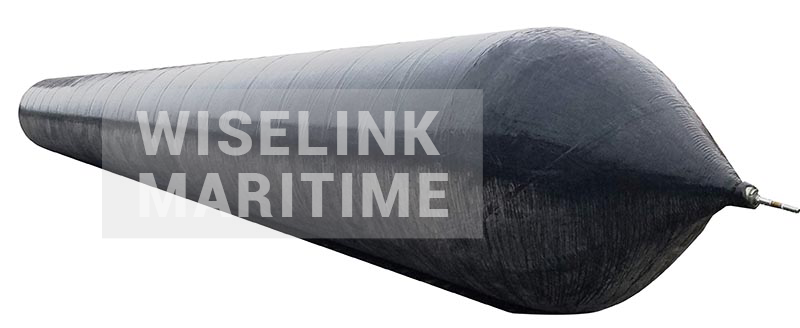
Diameter (D):0.8 m – 2.5 m (larger available on request)
Effective Length (EL):6 m – 25 m
Layers of Reinforcement:4 – 10 layers (common: 4,5,6,7,8 layers)
Working Pressure:0.06 – 0.24 MPa (depending on diameter and layers)
Bearing Capacity:100 to 200+ tons per meter
Warranty / Lifespan:3 years typical warranty; 5–10+ years lifespan with proper maintenance
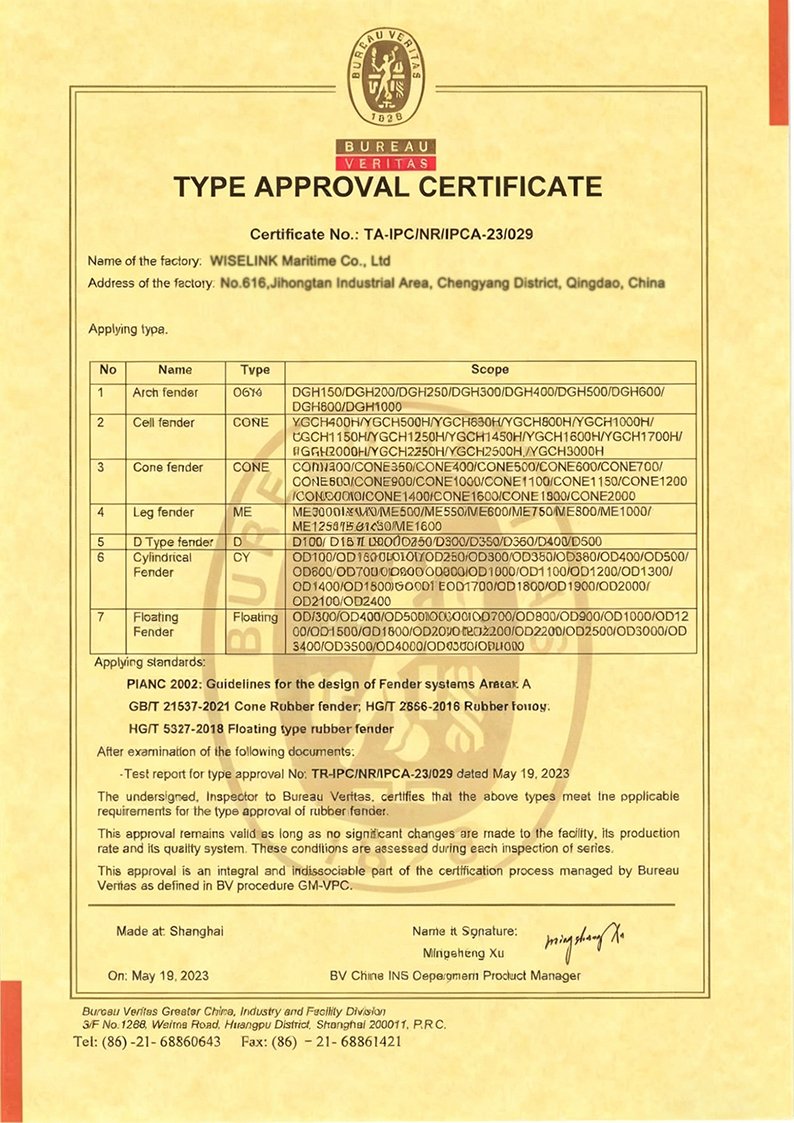
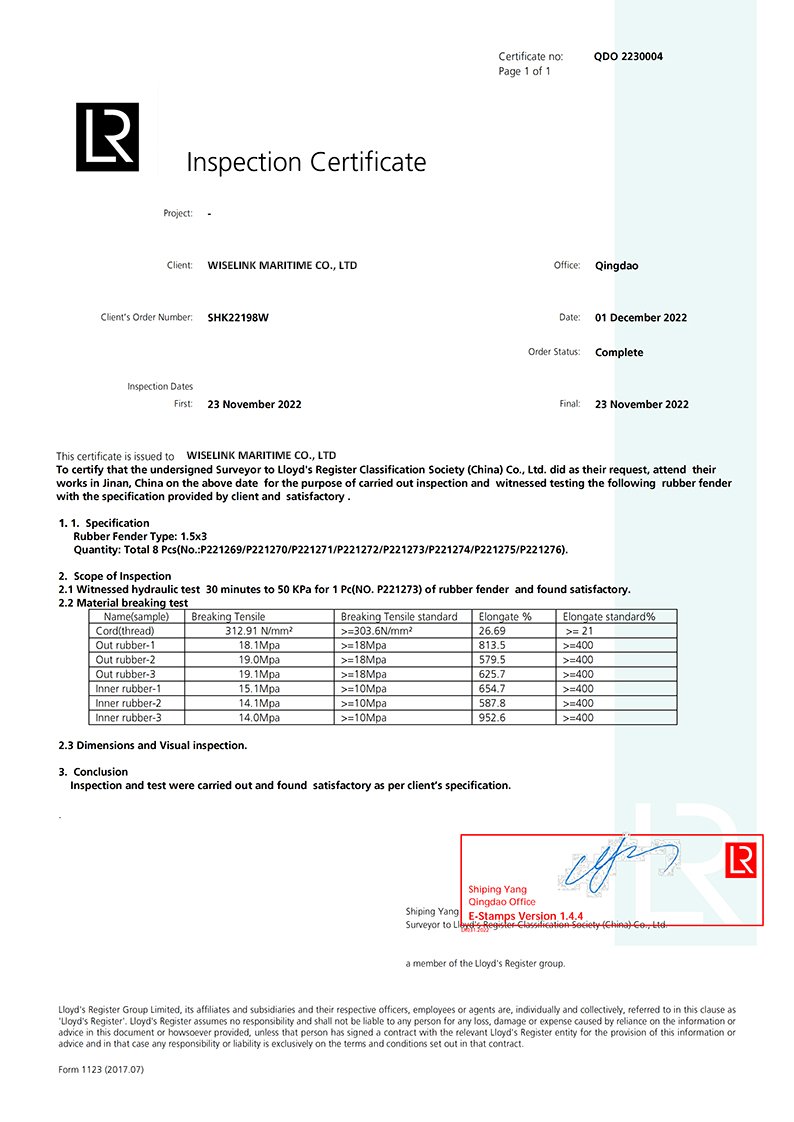
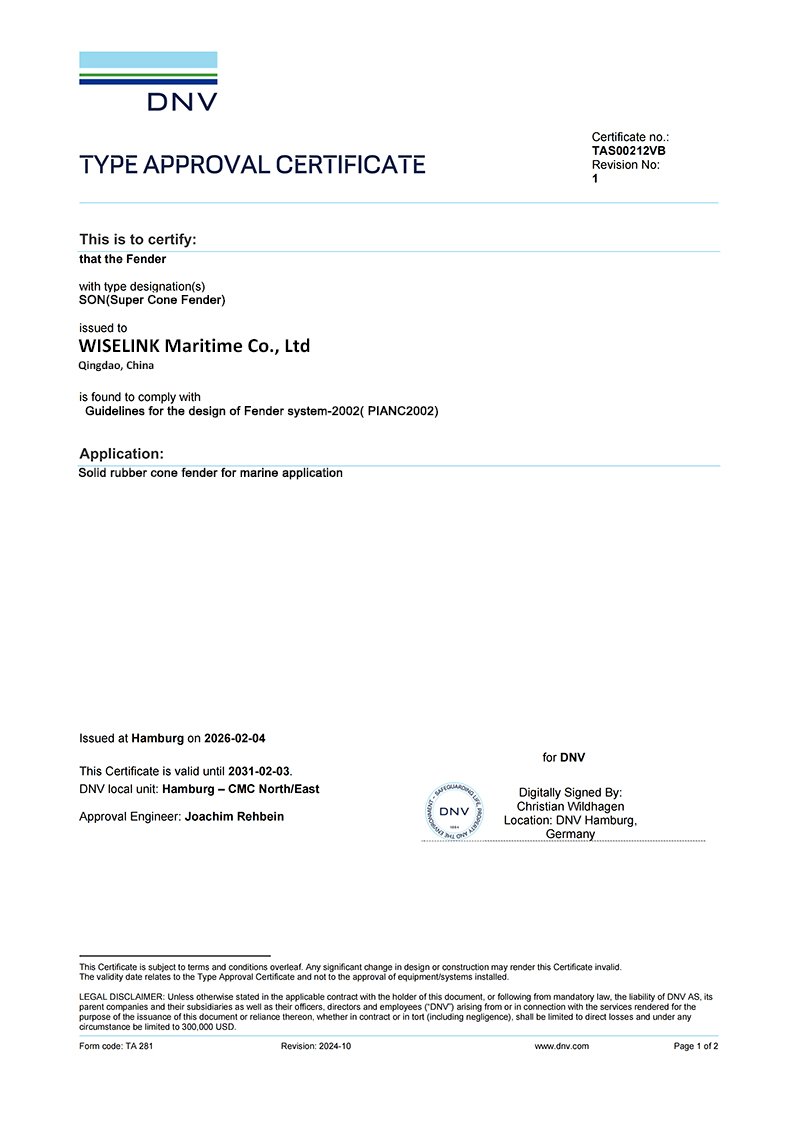
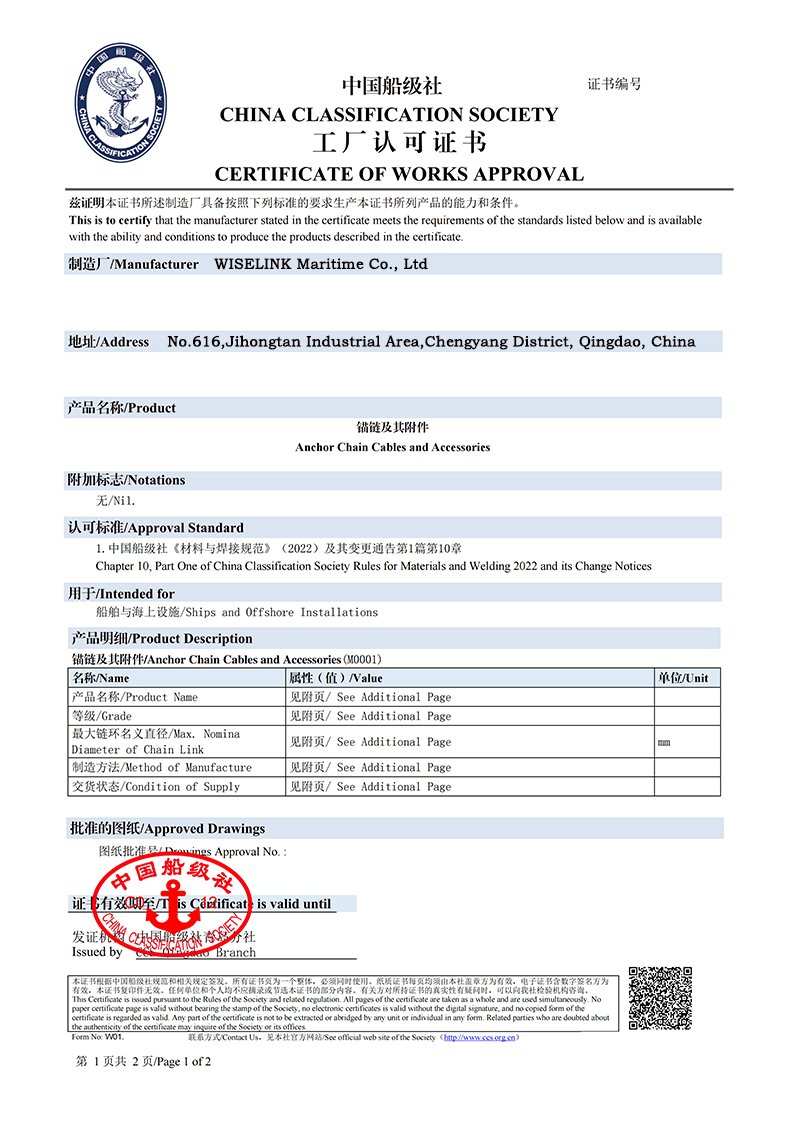
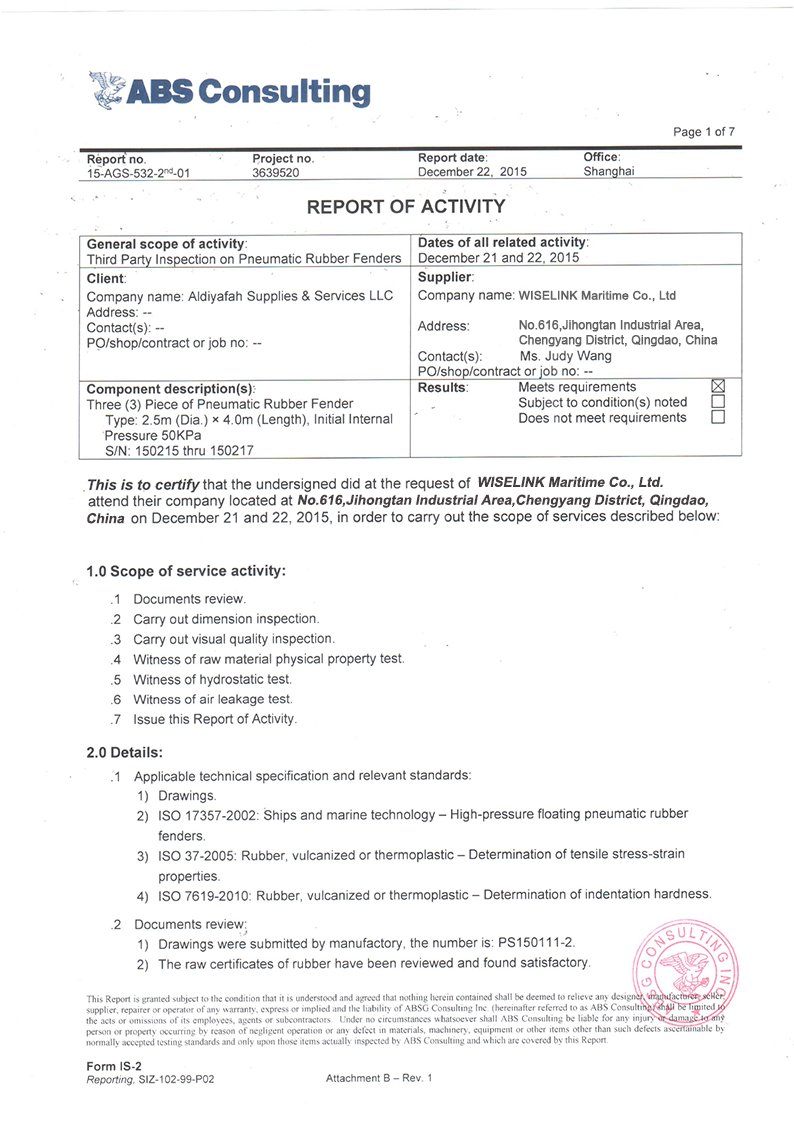
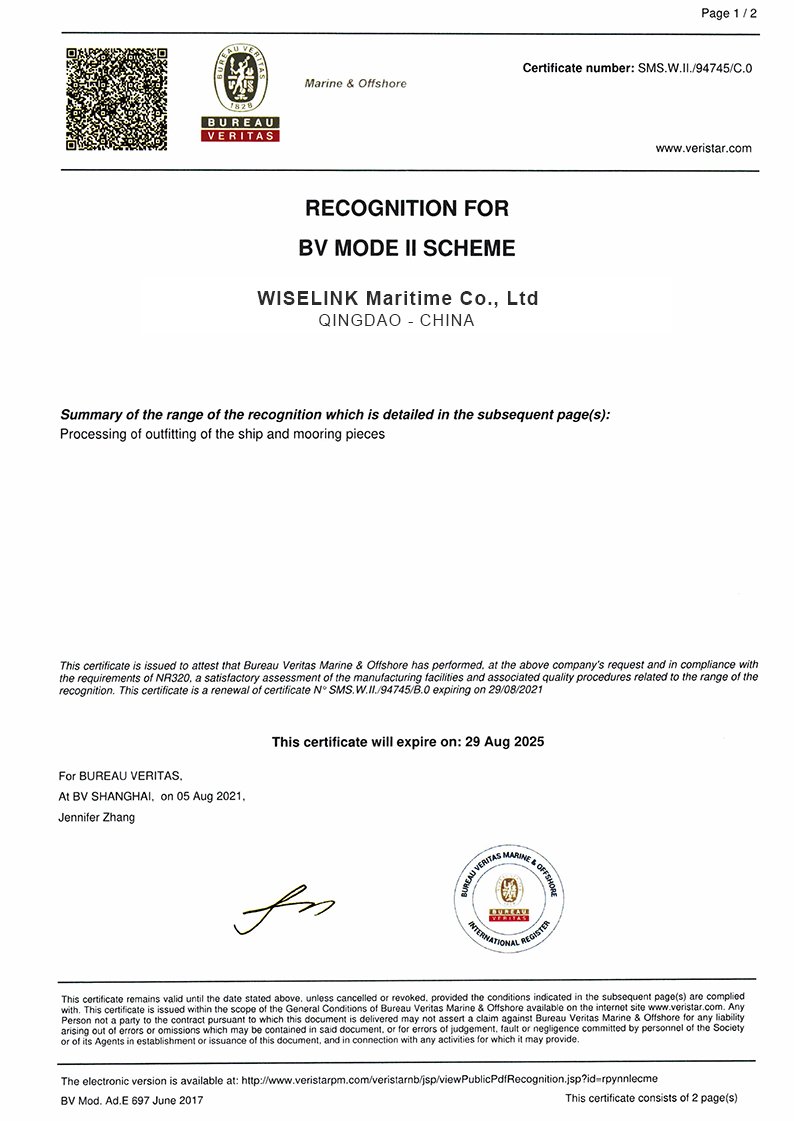
Certifications: Available ISO 14409, CCS, ABS, DNV, BV, LR
Products Details
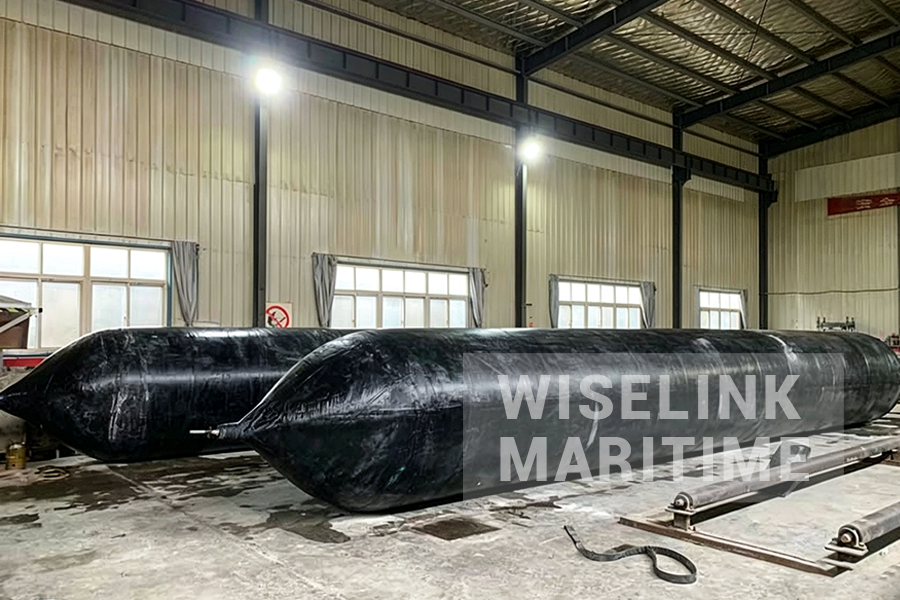
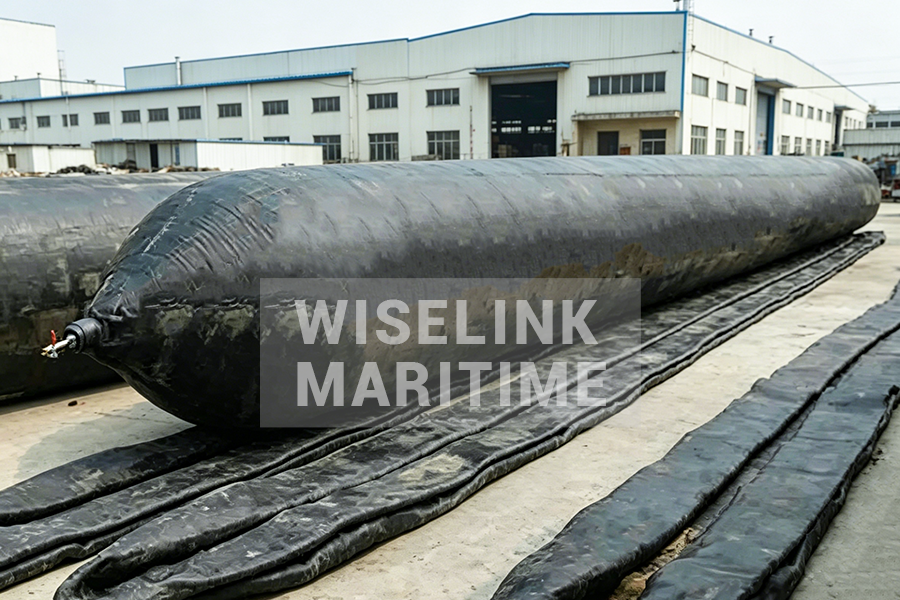
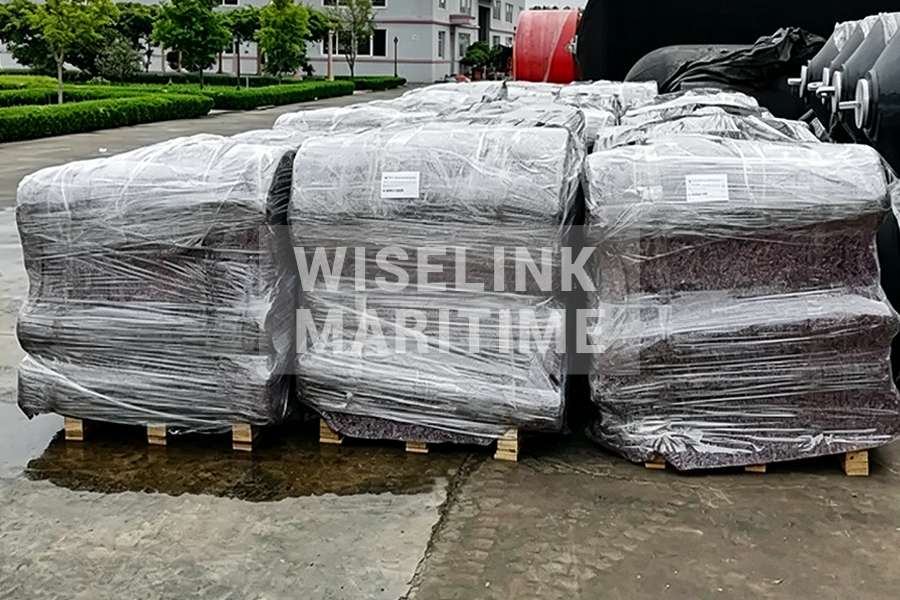
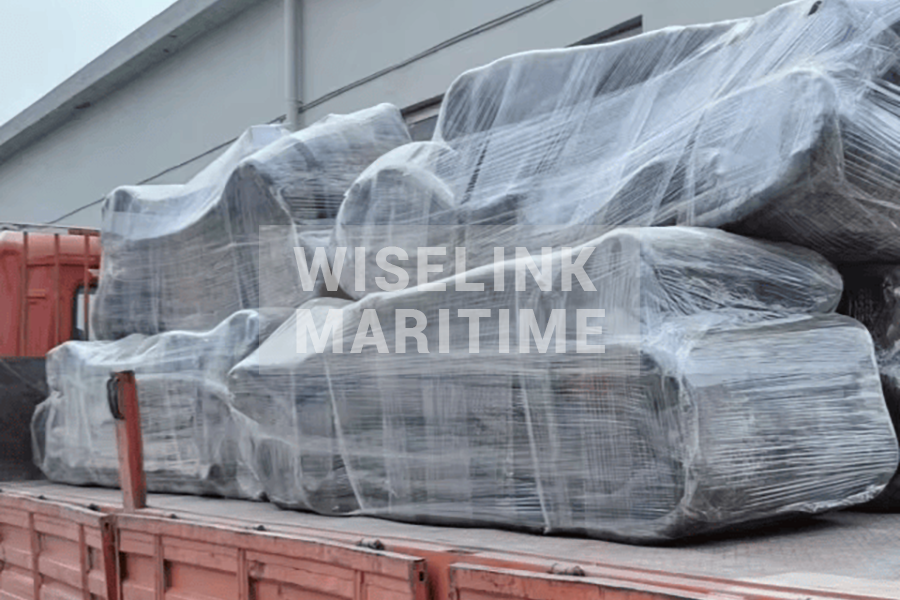
Launching & Hauling: They act as flexible rollers. Ships are positioned on top of inflated airbags, which then roll to provide a smooth, controlled transition between land and water.
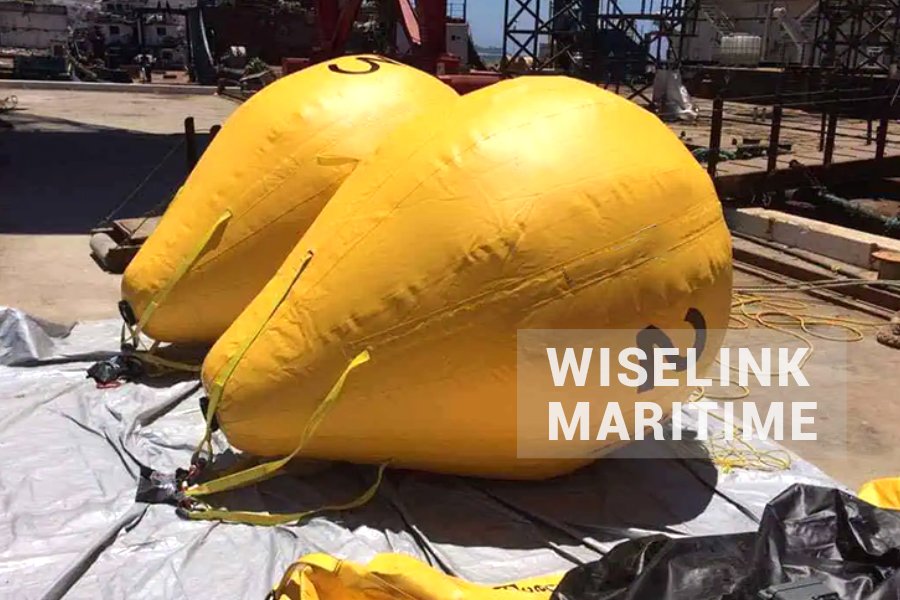
Salvage & Refloating: Used as buoyancy aids. When placed under or around a sunken or grounded vessel, they are inflated to provide the buoyancy needed to refloat the craft.
Heavy Lifting & Transport: They act as portable, soft-contact jacks for moving large marine structures, caissons, or heavy equipment on land.
Superior Protection for the Ship's Hull
Excellent Adaptability & Scalability
Operational Efficiency & Safety
Enables Launching of Very Large Vessels
Reduces Launching Risk and Improves Safety
Environmental Benefits
Low Maintenance and Reusability
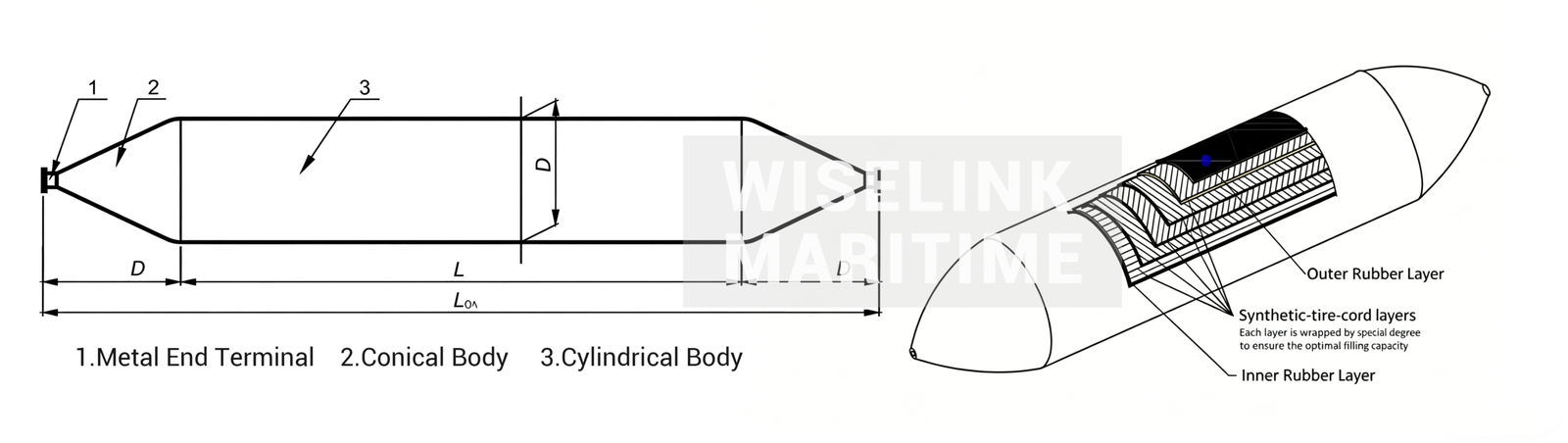
These airbags are built to withstand immense pressure and abrasion. Their structure typically consists of three integrated layers:
Inner Rubber: A high-airtightness layer that seals the compressed air inside.
Reinforced Synthetic-Tire-Cord Layers: The "skeleton" of the airbag. These multi-layer fabric cords are wrapped at specific angles to ensure the bag can handle high working pressures and distribute loads evenly without bursting.
Outer Rubber: A thick, heavy-duty layer designed to resist wear, tear, and puncture from rocks, concrete, or ship-hull surfaces.
|
Nominal Diameter (D) |
Standard Length (L) |
Standard Layer (Ply) |
Max Working Pressure (MPa) |
Bearing Capacity (kN per m) |
|
0.8 m |
6.0 – 10.0 m |
4 – 6 |
0.08 – 0.12 |
100 – 150 |
|
1.0 m |
8.0 – 12.0 m |
6 – 8 |
0.08 – 0.14 |
160 – 220 |
|
1.2 m |
10.0 – 15.0 m |
6 – 10 |
0.08 – 0.16 |
200 – 300 |
|
1.5 m |
12.0 – 18.0 m |
8 – 12 |
0.10 – 0.18 |
300 – 450 |
|
2.0 m |
15.0 – 20.0 m |
8 – 14 |
0.10 – 0.20 |
450 – 600 |
Application Areas
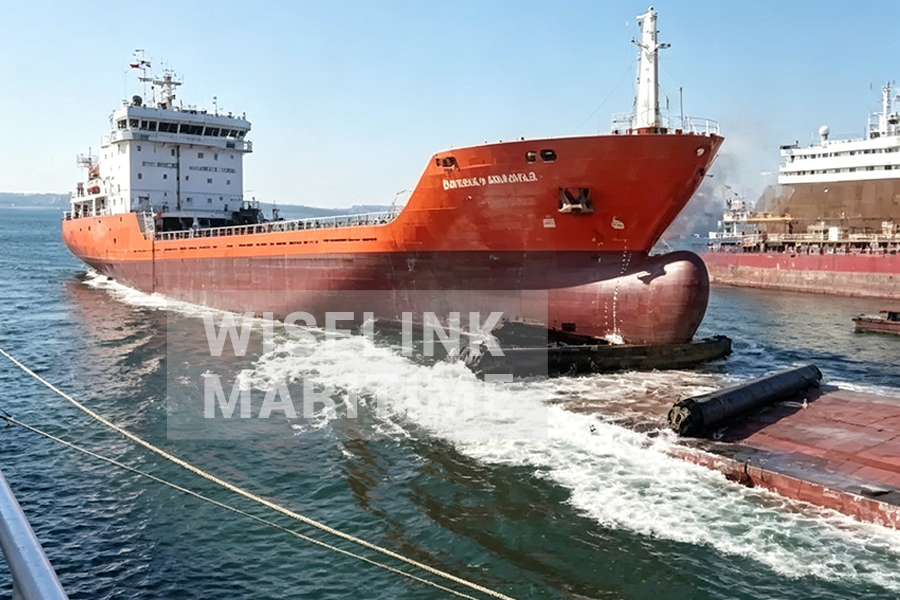
- New Vessel Launching (Shipbuilding)
- Ship Repair, Landing (Beaching), and Upgrading
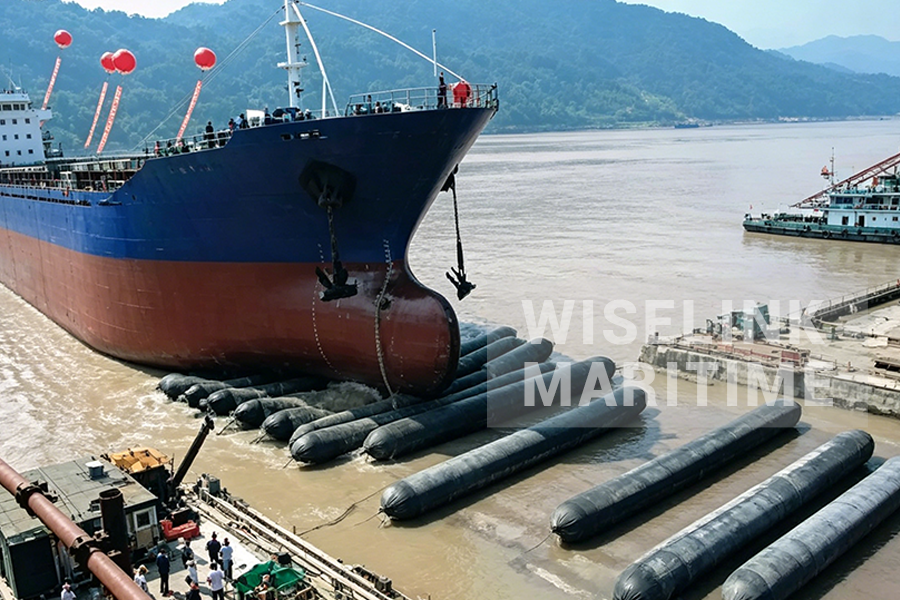
- Marine Salvage & Emergency Response
- Heavy Lifting & Transportation of Marine Structures
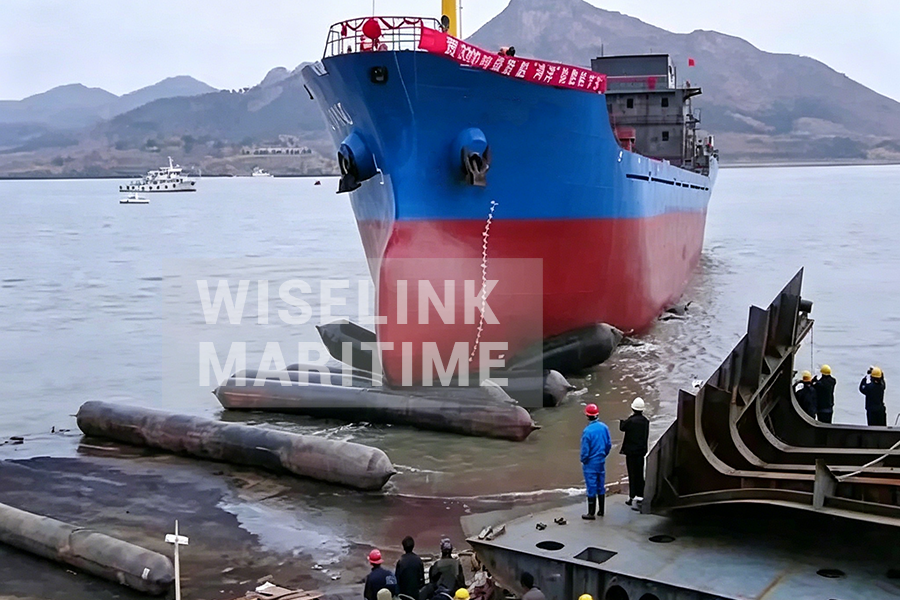
- Military and Naval Establishments
- Emergency or Temporary Port Solutions
- Grounding Rescue
Let’s Build a Safer Maritime Future Together.
Certification